











Osaka: The Culinary Philosophy of Kuidaore

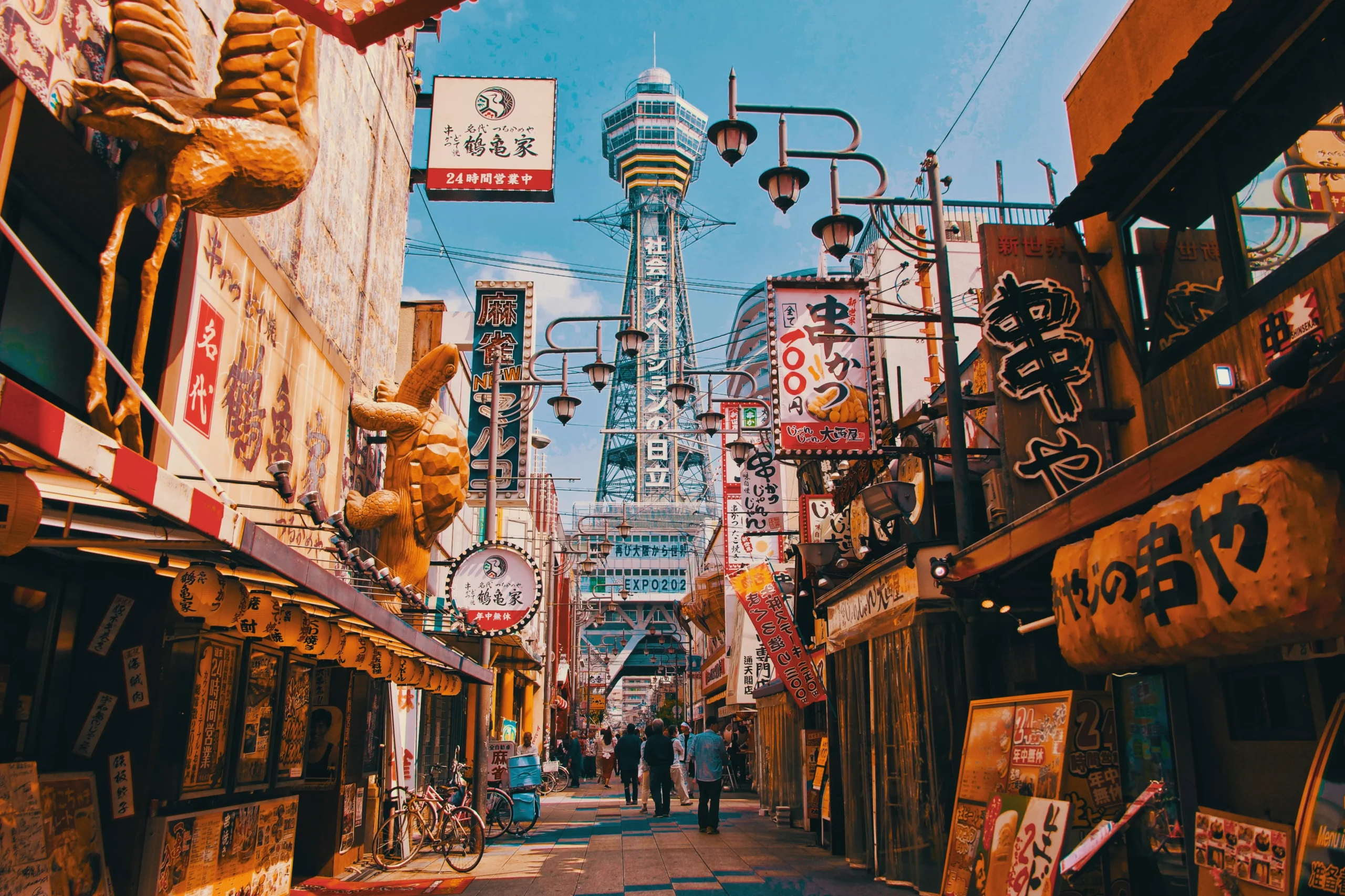
Osaka, often hailed as “Japan’s Kitchen” (Tenka no Daidokoro), is most famously known for its spirit of Kuidaore—a phrase loosely translated as “eating oneself to ruin,” signifying an insatiable and passionate dedication to food. This unique city character has sculpted a bold, down-to-earth, and creative food culture. From street snacks to Michelin-starred dining, Osaka‘s culinary landscape is vast and enticing, making it the ultimate destination for every food traveler. To ensure your Japan travel experience is flawless, be sure to secure your eSIM Japan travel for unlimited fast travel connectivity, allowing you to access gourmet guides anywhere, anytime.
Osaka‘s Character and Culinary Philosophy: Pragmatism Meets Palatability
Osaka’s city spirit contrasts sharply with the refined subtlety of Tokyo. Osakans are known for being warm, direct, and pragmatic, valuing both affordability and exceptional taste. This “delicious and inexpensive” philosophy is deeply embedded in their cuisine, driving constant innovation in Osaka‘s food scene to provide highly valuable food experiences for travelers. Travel to Osaka is an immersion into this grounded food attitude.
The Kuidaore Spirit: The Rise of Commoner Cuisine
The term “kuidaore” reflects more than just exaggeration; it embodies the Osakan passion and commitment to gastronomy. During the Edo period, Osaka‘s strategic location made it a hub for premium ingredients from across the nation, earning it the title of “National Kitchen.” While wealthy merchants often used elaborate dining for business, the true heart of Osaka‘s food scene lies in its “flour food culture” (Konamon), the foundation for its street-food staples. This scene gave birth to popular dishes like Takoyaki and Okonomiyaki—simple, generous in portion, and affordably priced—perfectly mirroring Osaka’s spirited and unpretentious commoner culture. For Japan travel, Osaka is the premier spot to experience this authentic food atmosphere.
The Core of Osakan Flavor: Dashi Broth and Quality Ingredients
A key feature of Osakan cuisine is its subtly deep and savory dashi. This stock, typically made from kombu (kelp) and bonito flakes, is the soul of Kansai-style Udon and Oden, showcasing the Osakan dedication to enhancing the natural flavor of ingredients. Historically, the abundance of seafood from Osaka Bay and surrounding produce ensured a constant supply of quality ingredients, guaranteeing superior taste in both high-end restaurants and street stalls. This dedication is the essence of Osaka‘s food.
Must-Try Osaka Travel Food: The Three “Flour” Souls
While Osaka boasts a diverse menu, three “flour foods” are indispensable for any traveler‘s Japan travel itinerary.
1. Takoyaki (Octopus Balls)
Takoyaki is considered Osaka’s “soul food.” Unlike the crispier versions found elsewhere, Osakan takoyaki is prized for its soft, creamy interior. At famous spots like “Achi-chi Honpo” in Dotonbori or “Kōgaryū” in Shinsaibashi, you can watch chefs skillfully flipping the round snacks, which are then doused in thick sauce and mayonnaise and sprinkled with bonito flakes—a piping hot explosion of flavor. It is the most accessible street food during Japan travel.
2. Okonomiyaki (Savory Pancake)
Okonomiyaki translates to “grilled as you like it.” It is characterized by mixing batter, shredded cabbage, eggs, and various ingredients (meat, seafood) on a hot teppan (griddle), topped with a special sauce. Renowned eateries such as “Aji-no-ya” or “Kiji” in Umeda offer variations like Modern-yaki (with fried noodles) and Negi-yaki (soy-sauce-based with copious amounts of spring onion).
3. Kushikatsu (Deep-fried Skewers)
Kushikatsu, a humble dish originating from the Shinsekai district, involves skewering various meats, seafood, or vegetables, coating them in a thin batter, and deep-frying. A crucial rule for dining: you must not double-dip the skewers into the communal sauce pot, an important piece of Osakan dining etiquette. “Daruma” or “Yaekatsu” are excellent places to savor this unique treat. Make sure to follow this rule during your Osaka travel.
Osaka Travel: Must-Visit Food Districts for a Flavor Journey
Every district in Osaka offers a distinct culinary atmosphere, enriching your Japan travel.
Dotonbori & Shinsaibashi: Culinary Entertainment Hub
Dotonbori is Osaka’s most iconic food landmark, defined by the giant Kani Doraku crab and the Glico Man billboard—a perfect embodiment of the Kuidaore city. It’s a concentration of popular spots for Takoyaki, Okonomiyaki, Ramen, and Kushikatsu, making it the essential starting point for street food exploration. The adjacent Shinsaibashi-suji Shopping Street is famous for its sweet delights and trendy cafés.
Kuromon Market: Osaka‘s Kitchen
Kuromon Market is dubbed “Osaka‘s Kitchen,” a bustling marketplace for fresh seafood, meat, and produce. Here, you can indulge in high-quality Tuna Sashimi (like “Maguroya Kurogin“), fresh grilled seafood, and local snacks. The emphasis on ingredient freshness and quality makes it ideal for travelers seeking authentic Osaka flavors.
Shinsekai: Home of Nostalgia and Kushikatsu
The Shinsekai area, centered around Tsutenkaku Tower, exudes a nostalgic Showa-era charm. It is the birthplace of Kushikatsu, with many old-school shops lining the streets. Sampling Kushikatsu here offers a genuine taste of Osaka‘s working-class heritage.
Osaka Travel Tips: Seasonal Delights and Seamless Connectivity
Osaka’s food scene transforms with the seasons, adding surprises to your Japan travel.
Winter Exclusives: Fugu and Crab
The cold winter months are the prime time for premium seafood. Osakans are particularly fond of Fugu (河豚, pufferfish). Specialty restaurants like “Genpin Fugu” serve up Tessa (Fugu sashimi) and Tecchiri (Fugu hot pot). Additionally, crab hot pot and grilled crab are winter delicacies. For those seeking lighter broth, Kitsune Udon is a warming favorite.
Refreshing Summer and Spring Flavors
In summer, you can try refreshing dishes like Chilled Curry Soba or Sudachi Soba. Spring is the harvest season for seasonal vegetables and seafood such as skipjack tuna and sakura shrimp, which feature prominently in seasonal set menus and salads across the city.
Japan Travel eSIM Tip: Seamless Osaka Food Journey
A culinary journey requires reliable connectivity. To ensure you can navigate, translate menus, and share your food photos throughout your trip, purchasing a Japan travel eSIM with unlimited fast travel data is a wise investment. The convenience of eSIM Japan travel eliminates the need for physical cards, making your Osaka travel experience smoother. Also, be aware that many popular Osaka restaurants, especially during peak dining hours, require advance reservations.